
When you are thinking about having weight loss surgery, one of the first questions that is likely to come to your mind is whether or not the procedure is reversible. This is an especially relevant question when you are comparing adjustable devices like the Gastric Band (LAP-BAND®), also known as an adjustable gastric band, versus permanent surgeries such as the gastric sleeve (also known as vertical sleeve gastrectomy) or gastric bypass. Both gastric bypass and gastric sleeve are among the most common types of bariatric surgery performed in the United States.
Let’s explore these different types of weight loss surgery and what “reversible” really means in this context.Introduction to Bariatric Surgery
Bariatric surgery, often referred to as weight loss surgery, is a powerful medical tool designed to help individuals struggling with obesity achieve lasting weight loss and better health. These surgical procedures, including gastric bypass surgery, gastric sleeve surgery, and lap band surgery, work by limiting food intake, altering the digestive process, or both. By reducing the stomach’s capacity or rerouting the digestive tract, bariatric surgery helps patients lose weight when traditional methods have not been successful. Typically, candidates for bariatric surgery have a body mass index (BMI) of 40 or higher, or a BMI of 35 or above with serious health conditions such as high blood pressure, type 2 diabetes, or sleep apnea. The primary goal of these surgeries is to help patients reach a healthy weight, improve their quality of life, and lower the risk of obesity-related diseases. Whether through gastric bypass, gastric sleeve, or lap band procedures, bariatric surgery offers hope for those seeking a long-term solution to weight management and better overall health.What is the Gastric Band / LAP-Band?
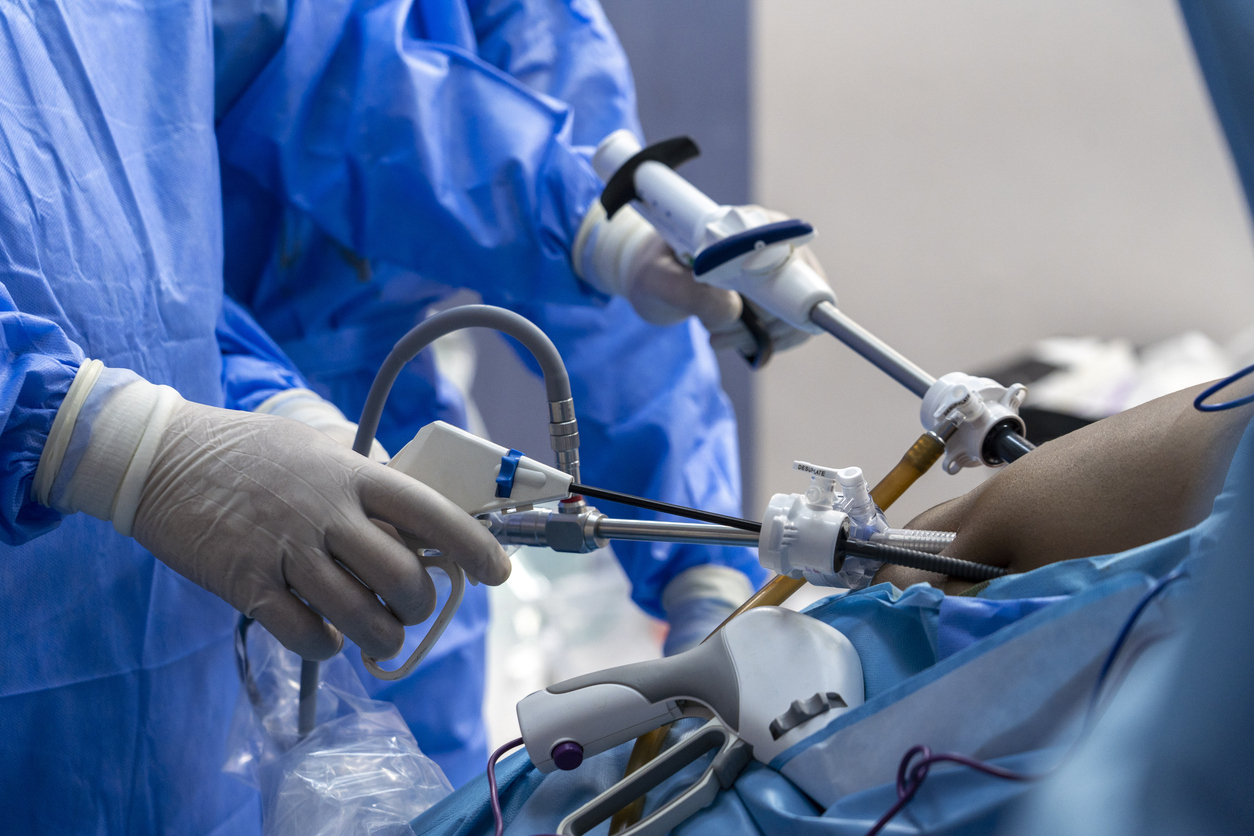
A Gastric Band, often referred to by the brand name LAP-BAND, is a hollow band made of special material that is placed around the upper portion of the stomach to create a small pouch. Placement of the band requires accessing the abdominal cavity to position the device around the stomach. The band is inflated with a saline solution, and increasing or decreasing the amount of this solution will tighten or loosen the size of the passage into the larger remainder of the stomach. The idea is to reduce the stomach’s capacity and limit the amount of food that can be consumed to achieve weight loss goals. This procedure does not require cutting, stapling, removing tissue, or rerouting intestines. The band is placed laparoscopically using small incision sites. In other words, it is a completely reversible procedure. If there are complications or you are experiencing unsatisfactory weight loss results, the LAP-BAND can be adjusted via a saline-filled port under the skin. It can also be removed entirely, restoring your stomach’s original anatomical structure. However, scar tissue often remains after removal, which may make future surgeries more complex, and long-term digestive function might be affected. Food intolerance is a potential complication after gastric banding, and patients tend to experience discomfort or intolerance to certain foods, which may lead to band removal or revision. Weight regain is common after band removal, and patients often regain weight if they do not pursue alternative bariatric procedures.What is the LAP-BAND Reversal Process?
The gastric band reversal has three stages: band removal, anatomical restoration, and recovery. Let’s examine what each stage entails.- Gastric Band Removal Procedure: Band removal is done laparoscopically, using the original incision sites that were used for placement. The tubing is disconnected, and any scar tissue or adhesions are removed. The band and access port are then removed entirely.
- Anatomical Restoration: After removal, the stomach’s capacity returns to normal, allowing the remaining stomach to re-expand to its original size and shape. However, some adhesions or tissue changes may still affect the remaining stomach.
- Recovery: Recovery after gastric band removal is short. Many patients go home the same day or after a night’s stay.